Understanding the Problem
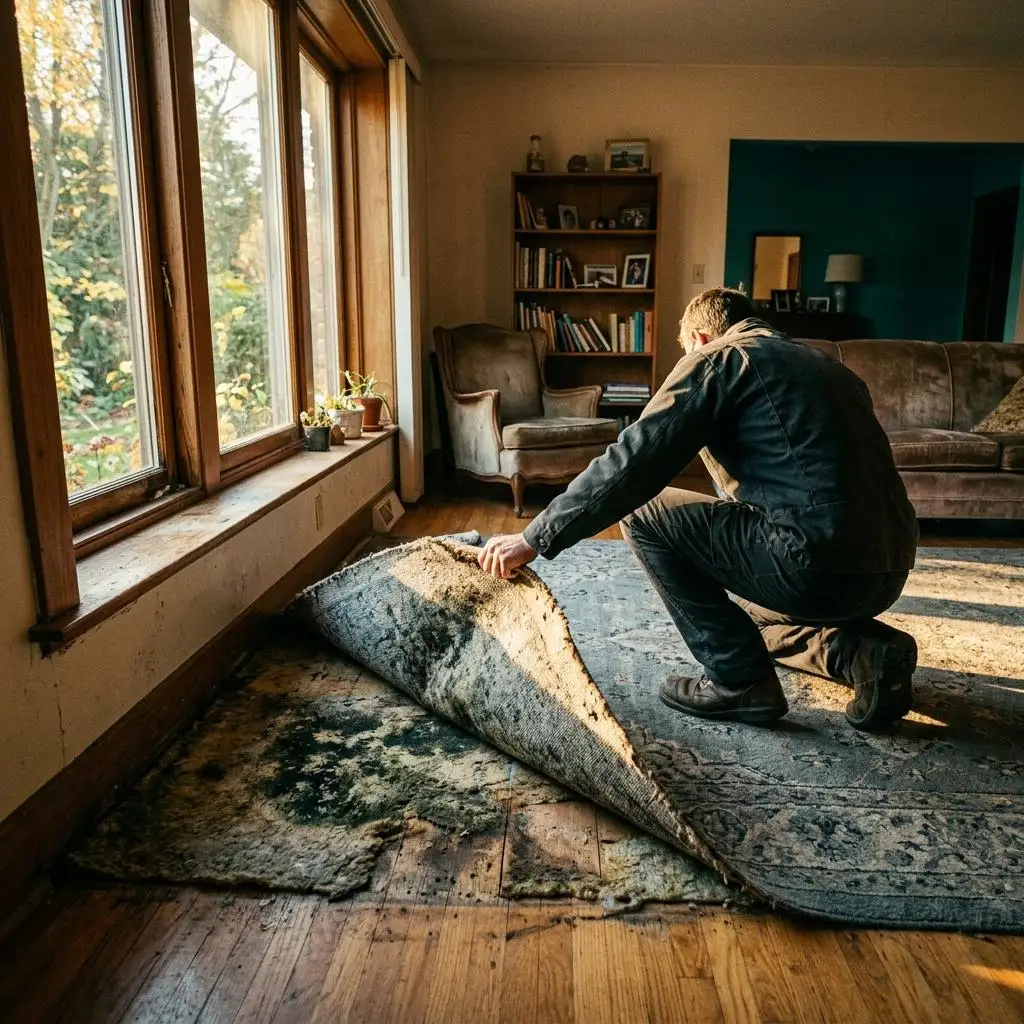
If you have ever dealt with a musty smell that lingers no matter how much you clean, you know something is wrong. That smell is often the first sign of mold growing deep inside your carpet fibers and the padding beneath. I have seen it happen in homes where a slow leak went unnoticed, in basements after heavy rain, and in rooms where a humidifier ran too long. The moisture soaks into the carpet padding, and once it is there, mold starts to grow. The tricky part is that by the time you see black spots on the surface, the colony has already spread into the subfloor moisture layer and the padding. That is why professional carpet mold removal is rarely a simple shampooing job. It requires a thorough approach that addresses both the visible growth and the hidden contamination.
First Signs of Trouble
You do not always see mold right away. Sometimes it starts under furniture or along baseboards where the carpet meets the wall. A musty odor is your first clue. If you press your hand into the carpet and it feels damp, or if you notice discoloration near vents or windows, you should act quickly. Mold inspection is not something to put off. The EPA recommends addressing moisture problems within 24 to 48 hours to prevent mold growth. Once mold takes hold, especially types like Stachybotrys (often called black mold), it can release spores that aggravate allergies and respiratory issues. That is why early detection matters so much.
Do-It-Yourself vs. Professional Help
Many homeowners try to handle the problem themselves. They pull out the vacuum, grab a bottle of bleach solution, and scrub the stain. I have done that myself. But here is the reality: bleach kills surface mold on hard surfaces, but on porous materials like carpet and padding, it does not penetrate deep enough. The bleach solution can actually break down the carpet fibers and make the problem worse over time. A better DIY option for small spots is white vinegar. Spray it on, let it sit for an hour, then blot it up. Tea tree oil mixed with water is another natural option that some people swear by. It smells strong but it works as a mild fungicide. For larger areas, though, you need more than home remedies. That is where professional carpet mold removal comes in. A trained technician uses specialized tools like a HEPA vacuum to capture spores, an air scrubber to filter the air during the job, and sometimes a product like Concrobium or Microban to treat the carpet fibers. These products are designed for porous surfaces and they do a better job than household cleaners.
The Real Work: Removing and Replacing
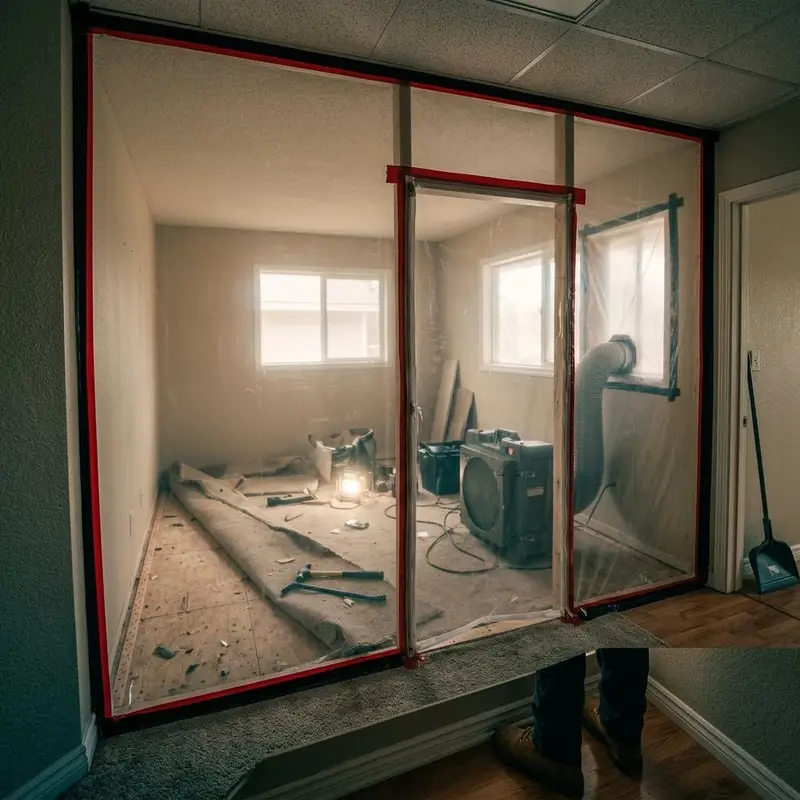
In many cases, you cannot just clean the carpet and call it done. If the mold has soaked into the carpet padding, the padding has to come out. I have been in homes where the padding was completely rotted underneath a carpet that looked fine on top. Once you pull up the padding, you often find subfloor moisture damage underneath. That moisture can travel through concrete slabs or wooden subfloors and keep feeding the mold. A moisture barrier may be needed before new carpet is installed. Sometimes the best fix is to remove the carpet entirely and replace it. That is a hard decision for homeowners, especially if the carpet is new or expensive. But leaving moldy padding in place means the problem will come back within months. Professional mold remediation teams know how to test the subfloor and determine whether a full replacement is necessary. They also use containment methods like fiberlock to seal off the work area and prevent spores from spreading to other rooms.
Chemical Options and What to Avoid
Not all mold killers are the same. Boric acid is sometimes used for mold on wood, but it is not ideal for carpet. RMR-141 is a popular commercial product that many professionals use because it kills mold on contact and dries clear. Another product, Microban, is often added to carpet treatments to provide long-term antimicrobial protection. But you have to be careful. Mixing chemicals can create toxic fumes. Always follow the label instructions. And never use bleach on a large area of carpet. It can damage the fibers and it does not stop regrowth. If you are hiring a contractor, ask them what products they use. A reputable company will be able to explain why they chose a particular product for your situation.
Prevention After Removal
Once the carpet is clean or replaced, the next step is keeping it dry. A dehumidifier in the basement or in rooms prone to moisture can make a big difference. I tell people to set it to 50% humidity or lower. Also, check your home for hidden leaks. A slow drip under a sink or behind a washing machine can keep the carpet damp for weeks. If you live in a humid climate, consider installing a moisture barrier under any new carpet. And if you have a crawl space or a slab foundation, make sure the ground is graded away from the house so rainwater does not seep in. Allergen control is another benefit of keeping mold out of your carpet. Once the spores are gone, you will notice less coughing, fewer headaches, and a fresher smell in the room.
When to Call a Specialist
Some situations are beyond what a homeowner can handle. If the mold covers more than a few square feet, if you have health concerns like asthma in the household, or if the carpet has been wet for more than 48 hours, call a professional. A good mold inspection company will use moisture meters and thermal cameras to find hidden damp spots. They will also test the air quality to see if spore counts are high. That data helps them decide whether carpet mold removal is enough or if the padding and subfloor need treatment too. I have seen cases where the carpet looked clean but the air test showed high spore levels. In those cases, the mold was growing inside the padding or under the tack strips. The only fix was to remove the carpet and treat the subfloor with a fungicide like Concrobium before installing new material.
What to Expect During Professional Carpet Mold Removal
When a team comes in, they usually start by sealing off the room. They put plastic over doorways and vents to keep spores from traveling. Then they use a HEPA vacuum to pull up loose spores. Next, they apply a treatment product to the carpet and let it sit for the recommended time. After that, they extract the solution with a powerful wet vacuum. If the padding needs to come out, they cut it into sections and bag it immediately to reduce spore release. The subfloor gets cleaned and treated, and a moisture barrier may be laid down before new carpet goes in. The whole process can take a day or two depending on the size of the room. It is not a quick fix, but it is thorough.
Making the Right Choice for Your Home
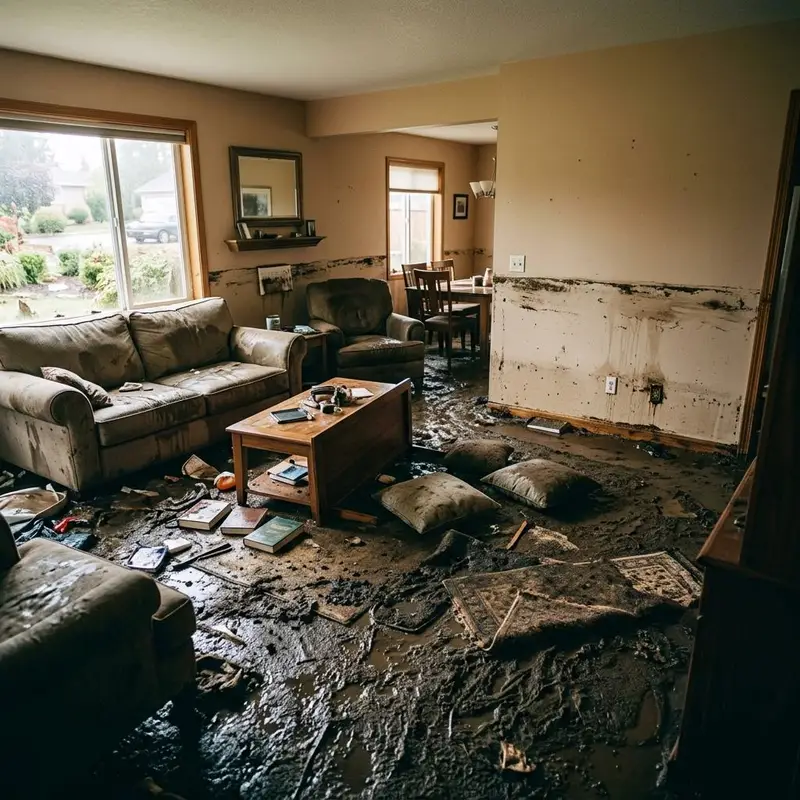
Deciding between DIY and professional help comes down to the size of the problem and your tolerance for risk. For a small patch of mold on a rug that you can throw away, white vinegar or tea tree oil might be enough. For wall-to-wall carpet that has been wet for days, professional carpet mold removal is the safer bet. The cost of a professional job might seem high, but replacing the carpet twice because the first attempt did not work is more expensive in the long run. And the health benefits of having clean, dry indoor air are hard to put a price on. Mold in carpet is not just a cosmetic issue. It affects the air you breathe every day. Taking it seriously the first time saves you time, money, and stress.